



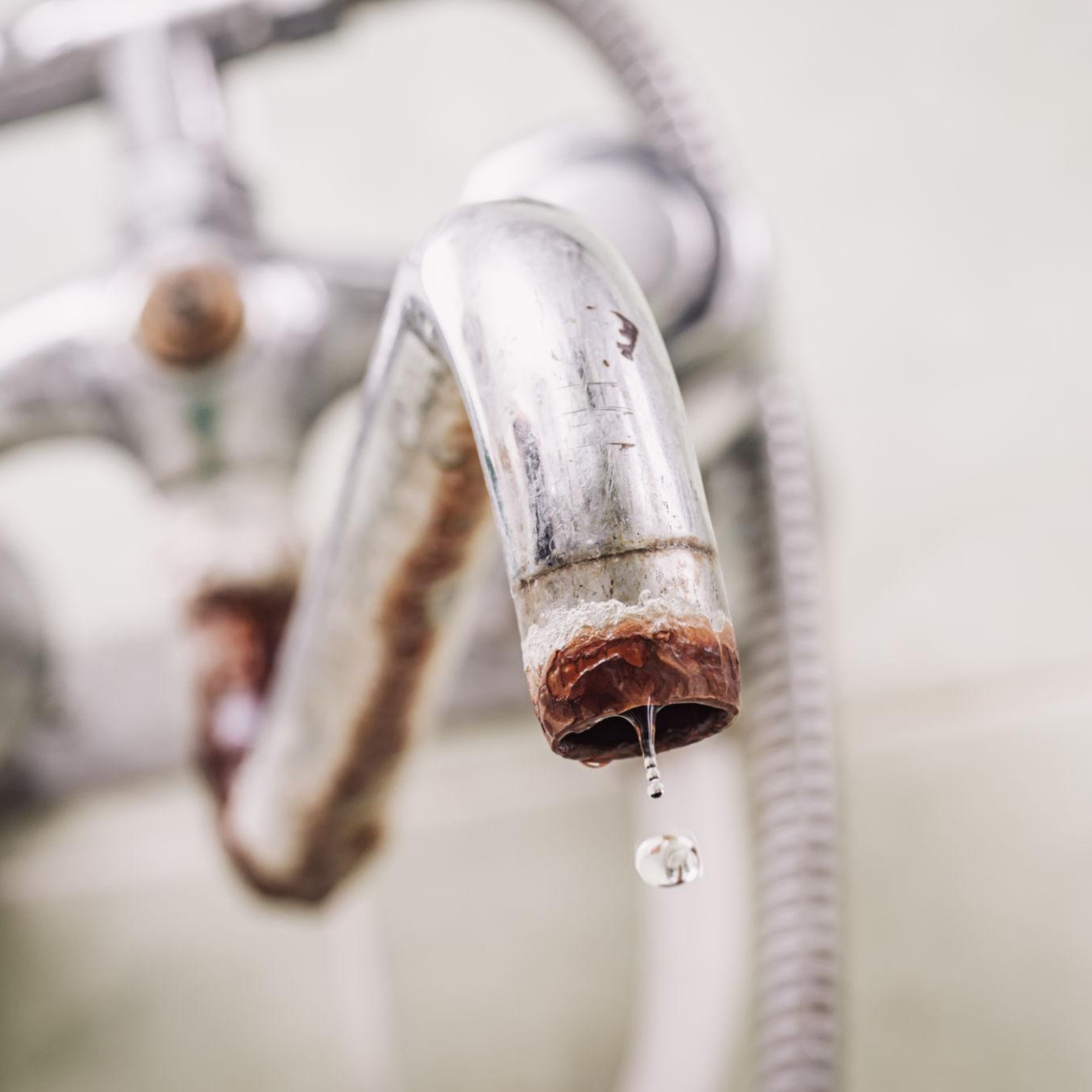
At first glance, choosing cheaper bathroom fittings can feel like a smart way to save money. The designs may look similar, the price is attractive, and the immediate cost seems manageable.
But what many homeowners don’t realize is that cheap fittings often come with hidden costs, ones that only show up after installation.
Over time, what looked like savings can quickly turn into frustration, repeated expenses, and avoidable stress.
Here’s what to watch out for, and how to make better choices from the start.
1. Frequent Repairs and Replacements

Low-cost fittings are often made with inferior materials or less precise engineering. This can lead to:
Leaking taps
Loose handles
Weak water pressure
Faulty flushing systems
Instead of lasting years, these fittings may start failing within months.
The real cost: You end up paying repeatedly for repairs or replacements, often spending more than you would have on a quality product.
2. Water Wastage (And Higher Bills)

Poorly made fittings don’t regulate water efficiently.
Dripping taps
Inconsistent flow
Inefficient flushing
These small issues can waste significant amounts of water over time.
The real cost: Higher utility bills and unnecessary water loss, something many homeowners only notice too late.
3. Higher Maintenance and Cleaning Effort
Cheaper finishes tend to:
Show water stains easily
Fade, peel, or tarnish over time
Scratch more easily
This means your bathroom starts looking worn out much faster.
The real cost: More time, effort, and money spent trying to maintain a clean, presentable space.
4. Compromised Comfort and Experience
A bathroom should feel effortless to use, but cheap fittings often deliver the opposite.
Showers with inconsistent pressure
Taps that are difficult to control
Toilets that don’t flush efficiently
These daily inconveniences add up quickly.
The real cost: A frustrating experience in a space you use every day.
5. Damage to Other Parts of Your Bathroom

Leaks and poor-quality components don’t just affect the fitting itself, they can damage surrounding areas:
Water damage to cabinets and vanities
Stains on tiles
Mould and mildew growth
The real cost: Expensive repairs that go far beyond the original fitting.
6. Shorter Lifespan = Higher Long-Term Spend
What’s cheaper upfront often costs more over time.
Instead of lasting 5–10 years, low-quality fittings may need replacement in a fraction of that time.
The real cost: You’re not saving, you’re simply delaying a larger expense.
How to Avoid These Hidden Costs
1. Focus on Value, Not Just Price
Look beyond the initial cost. Ask:
How long will this last?
What is the cost of maintaining or replacing it?
2. Choose Quality Materials
Opt for fittings made from:
Durable metals (like brass for taps)
High-quality ceramics
Long-lasting finishes
3. Ask the Right Questions
Before buying, find out:
Is there a warranty?
Are spare parts available?
How easy is maintenance?
4. Consider Your Environment
Choose fittings that suit:
Your water pressure
Frequency of use
Climate and humidity
5. Get Expert Guidance
The right supplier doesn’t just sell products, they guide you toward better decisions.
They help you:
Compare options clearly
Understand trade-offs
Choose fittings that match your needs and budget
Bathroom fittings are not just purchases, they are part of your everyday comfort.
Choosing based on price alone often leads to compromises that cost more in the long run. But with the right approach, and the right guidance, you can avoid these hidden costs completely.
Thinking of upgrading your bathroom? Walk into our showroom and let us help you choose fittings that deliver real value, today and years from now.

Leave a comment
This site is protected by hCaptcha and the hCaptcha Privacy Policy and Terms of Service apply.